Oracle Exadata Cloud Service (Gen1 vs Gen2) – Complete Guide for DBAs
Moving Exadata workloads to the cloud requires understanding platform generations, subscription models, and operational differences between Exadata Cloud Service generations. In 2026, Oracle continues evolving Exadata Cloud with Gen2 (X9M and newer) offerings that deliver improved performance, automation, and integration with OCI.
DBAs transitioning from on-premise Exadata or evaluating cloud migration must understand how Gen1 and Gen2 differ in architecture, provisioning, and day-two operations.
What is Exadata Cloud Service?
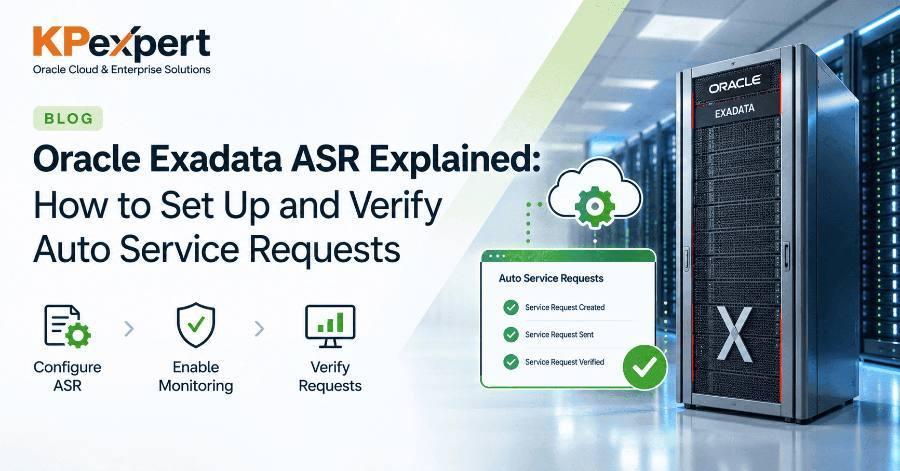
Exadata Cloud Service delivers the Exadata platform as a managed cloud offering. Oracle handles physical infrastructure while customers manage databases, patching schedules, and application connectivity—blending engineered-system performance with cloud flexibility.
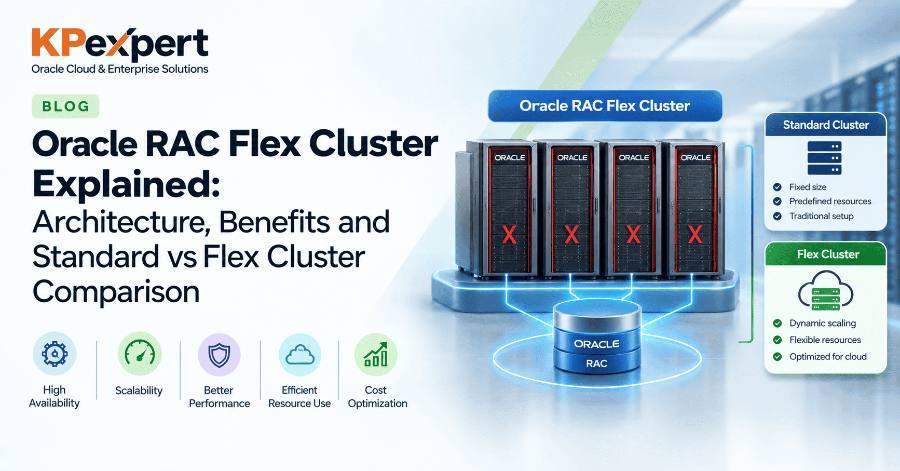
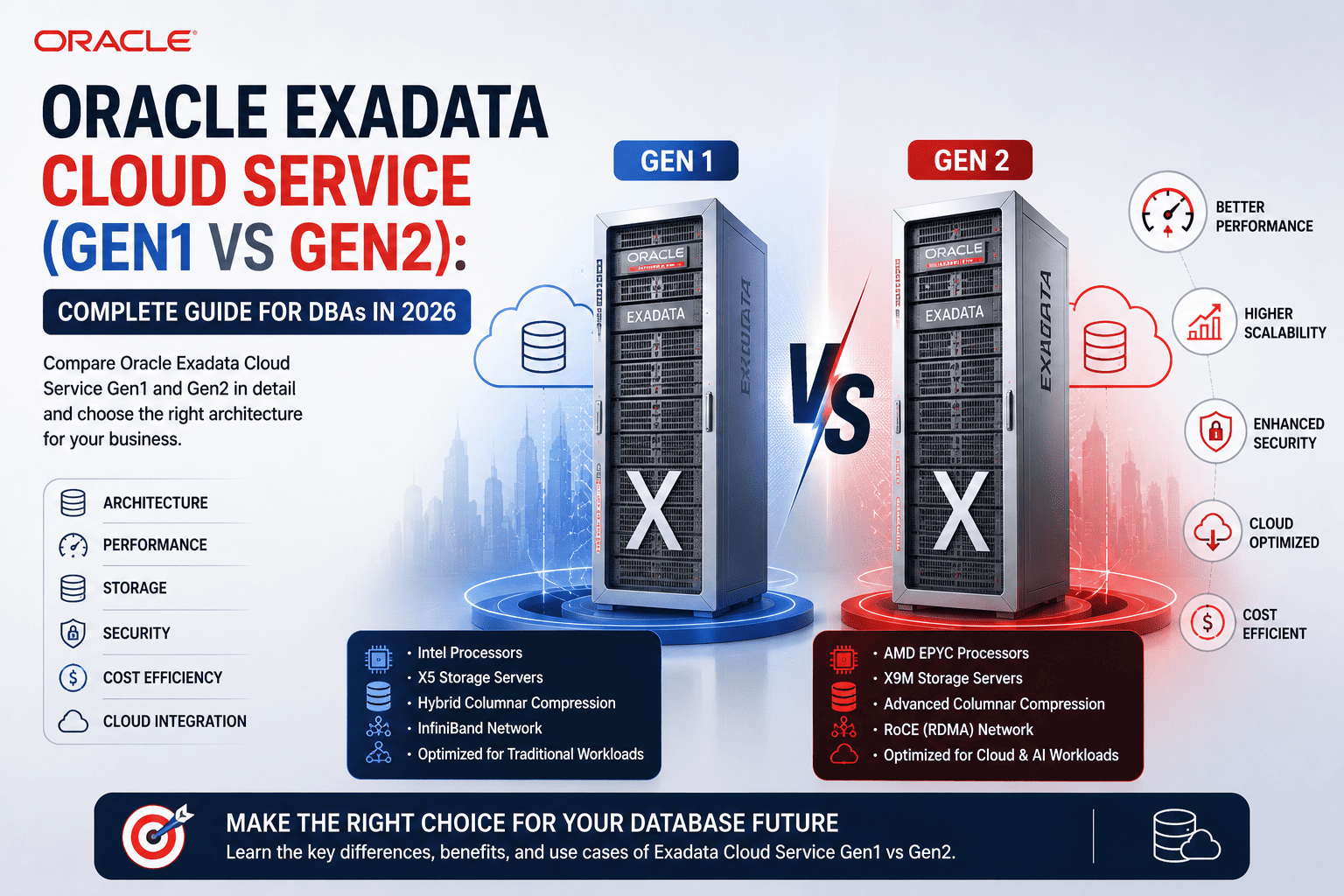
Gen1 vs Gen2: Key Differences
Gen1 Exadata Cloud
- Earlier cloud Exadata generation
- Established in many existing enterprise migrations
- Familiar tooling for teams that migrated early
Gen2 Exadata Cloud (X9M and beyond)
- Improved compute and storage capabilities
- Deeper OCI integration and automation options
- Modern networking and performance profiles
- Preferred choice for new cloud Exadata deployments in 2026
Organizations planning new workloads typically target Gen2, while Gen1 environments remain supported for existing subscriptions.
Skills DBAs Need for Exadata Cloud
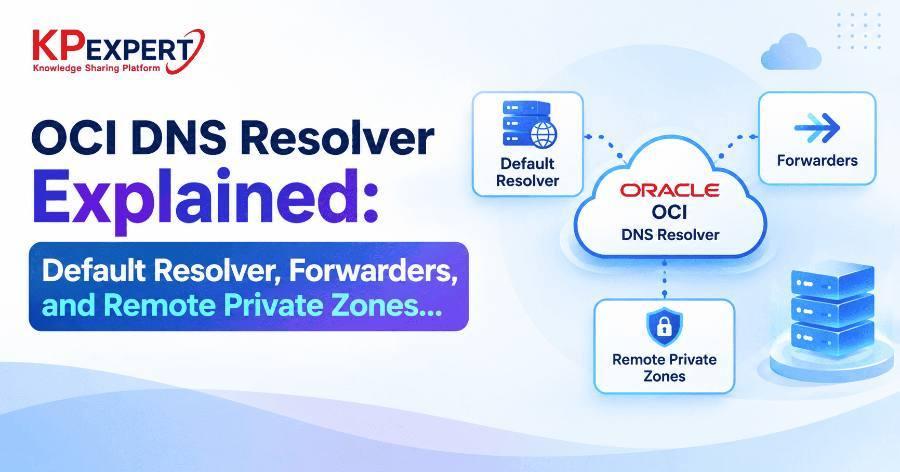
- OCI networking (VCN, subnets, security lists)
- Cloud connectivity and VPN/FastConnect setup
- Exadata Cloud provisioning workflows
- Patching and maintenance windows in cloud context
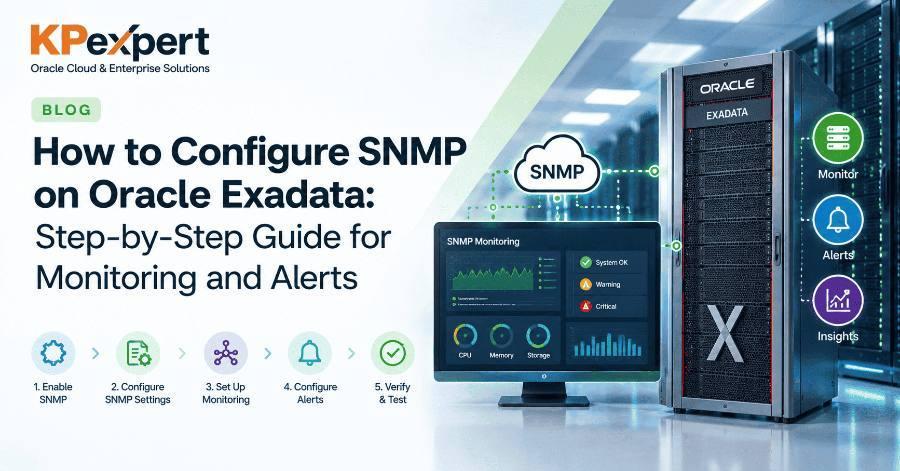
- Monitoring via OCI and Enterprise Manager
- Cost management and resource scaling awareness
Migration Considerations
When moving from on-premise Exadata to cloud:
- Assess workload latency and connectivity requirements
- Plan network architecture before database migration
- Validate licensing and subscription models
- Test failover and backup strategies in cloud
- Train operations teams on OCI console and automation
Who Should Learn Exadata Cloud?
- On-premise Exadata DBAs planning cloud migration
- OCI engineers supporting database platforms
- Architects designing hybrid database strategies
- Professionals pursuing multi-cloud database roles
Frequently Asked Questions
Can I run RAC on Exadata Cloud?
Yes. Exadata Cloud supports Oracle RAC configurations similar to on-premise engineered systems, with cloud-specific networking considerations.
Is Gen1 being deprecated?
New deployments favor Gen2, but existing Gen1 environments continue operating under Oracle support policies. Consult current Oracle documentation for lifecycle details.
Do I need OCI training first?
OCI fundamentals significantly accelerate Exadata Cloud learning, especially for networking and IAM concepts.
Conclusion
Understanding Exadata Cloud Service generations is essential for DBAs in 2026. Whether managing legacy Gen1 estates or deploying Gen2 for new projects, structured training bridges on-premise expertise with cloud operational models—preparing professionals for the hybrid database landscape enterprises rely on today.